
Last month I presented the triode which was used in one of the recently built twin preamps. This month I am covering the rectifier which is used in their power supply: The 1-V.

As the name indicates, the 1V was one of the earliest rectifier tubes in commercial use. In the RETMA naming system 6Z3 was assigned to it. The 6 indicates the 6.3V heater voltage. Rectifiers got letters from the end of the alphabet and 3 is the number of electrodes: Plate, cathode and heater.
 The tube has a UX4 base. The pinout is shown on the left. The two larger diameter pins for the heater and the others for plate and cathode. The 1-V is an indirectly heated rectifier. The heater only needs 300mA current. This can be quite useful when the available heater current is limited. The tube only contains a single diode. So two would be needed for a full wave rectifier, or 4 for an all tube bridge rectifier. It only delivers up to 50mA DC per tube so the use is limited to preamplifiers or power amps with small triodes like the 71A. All the versions I have seen are in ST-glass of the ST12 size. I don't know if it was ever made in globe shape. The V in the name stands for vacuum. I have read about a mercury vapour version just named '1' but could never find any. The glass is of the same shape and size as the 31. So it was a natural choice for the power supply of the preamp with that tube.
 It works perfectly well in that power supply which only has to deliver very little current at a rather low voltage. The data sheet specifies max. 350VAC on the plate. So with a capacitor input filter, 400V is about the maximum DC which can be obtained from it. More like 300V with a choke input filter. Considerably less if you want to stay clear of the limits. But this is sufficient for many preamplifier circuits and also for small amplifier tubes. Since the tube is indirectly heated the output voltage comes up with some delay and rises slowly as the cathode warms up. This tube is a nice alternative to the 6AX4 which I usually use. You will see this tube more often now in my preamplifier power supplies, where the 6AX4 is a bit of an overkill since it can deliver much more current than is needed in preamps. Although this tube is out of production since a very long time, it can still be easily found at reasonable prices. Not as cheap as TV damper tubes but therefor you get the beautiful ST shaped glass. I have built up a small stock of this type. Let's have a look at some 1-V from different manufacturers, starting with Tung-Sol:

A close up to the tube:

The photo at the top of the post is taken from a box of 1V tubes I just received. These are from Canadian Westinghouse.

Beautifully sealed boxes.

The tubes however were made by Tung-Sol. They look the same as the other Tung-Sol tubes above.

They obviously came from the same production line. A Westinghouse logo got stamped on the bases:

1-V made by Hytron:


National Union:


Again National Union.

These are in JAN (Joint Army Navy) military packaging.


RCA Victor:


RCA:


RCA Radiotron.

Cunningham:

Ken-Rad:


Sylvania:

Some close ups.


More Sylvanias:


Philco branded 1V (probably made by Sylvania):


Marconi:

Raytheon:

And lastly Zenith, again probably made by Sylvania:

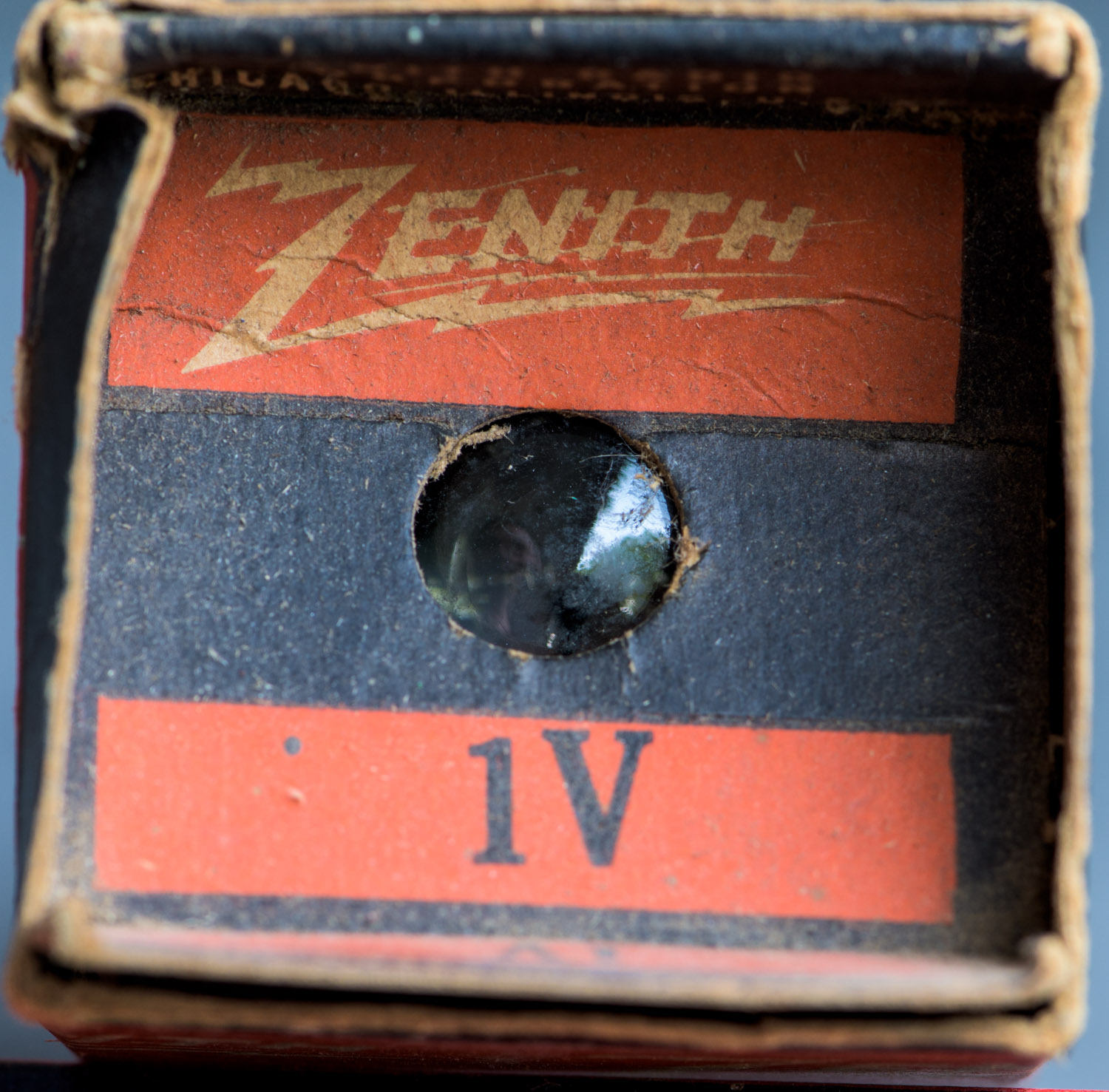
Now let's have a look inside of this one:

Removing the glass gives a better view on the plate:

Since it is just a diode, not much inside. Two mica discs, one at the top and one at the bottom keep plate and cathode aligned.

The heater is only insulated from the cathode through the white coating.

No additional spiral as seen in TV damper tubes for increased voltage capability.
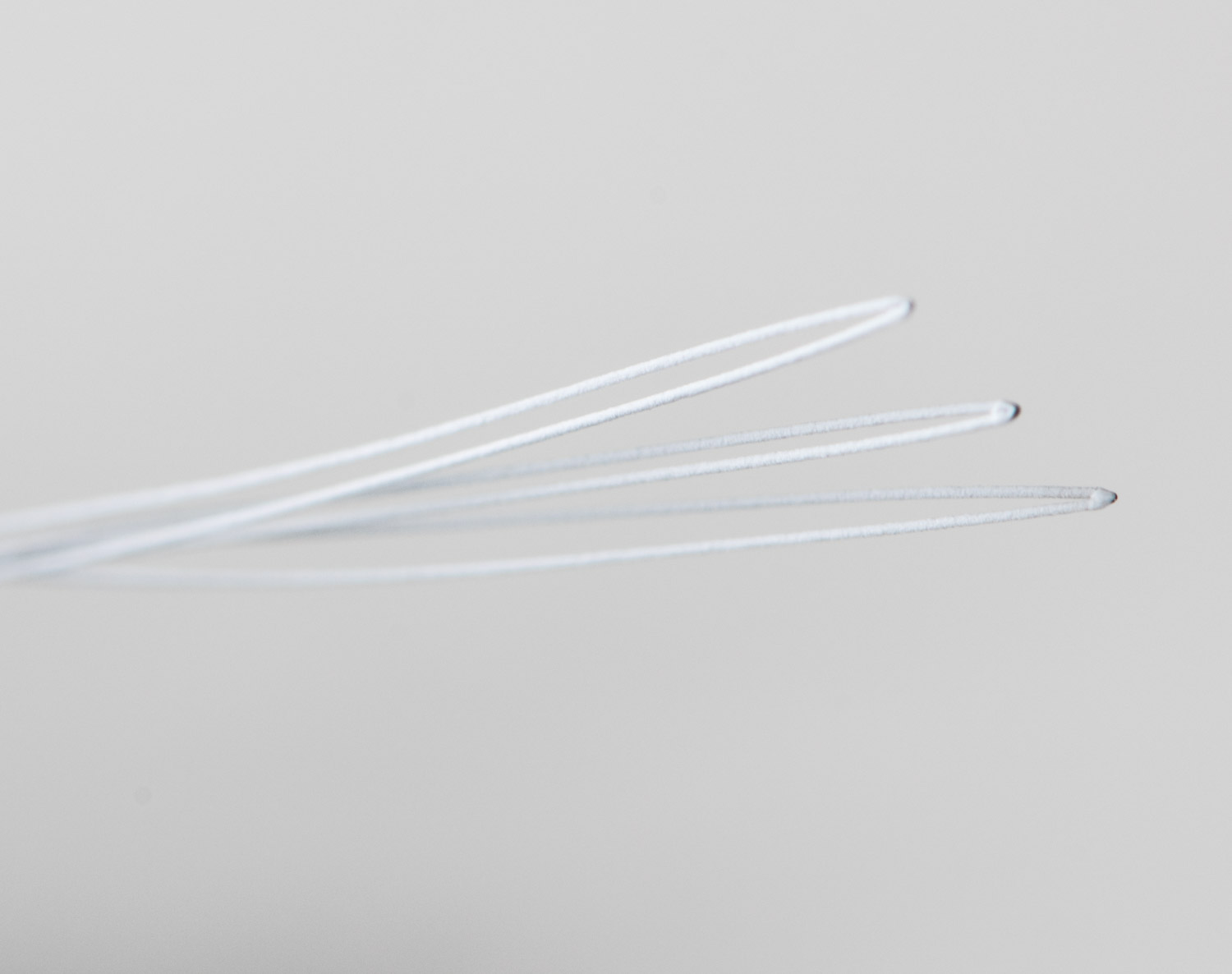
The top mica disc removed

The cathode:

And finally some 1-V tubes glowing:

Close ups:


Best regards
Thomas


